

Tamil Nadu, a state in southern India, has a unique political landscape. With a long history of Dravidian politics, the state has been dominated by two major parties, the All India Anna Dravida Munnetra Kazhagam (AIADMK) and the Dravida Munnetra Kazhagam (DMK). In recent years, the state has seen a shift in power, with the DMK coming to power in 2021. This article will examine the current state of politics in Tamil Nadu, including the key players, the election process, and the major issues facing the state.
The DMK, led by Chief Minister M.K. Stalin, has implemented several policies aimed at improving the lives of citizens, including a scheme to provide free bus travel for women and a program to support farmers. However, the party has also faced criticism for its handling of issues such as corruption and environmental degradation.
The AIADMK, led by former Chief Minister Edappadi K. Palaniswami, has been in opposition since 2021 and has been critical of the DMK’s policies. The party has also been plagued by internal divisions and has struggled to maintain a united front. In addition to the DMK and AIADMK, there are several other parties active in Tamil Nadu, including the Bharatiya Janata Party (BJP) and the Indian National Congress (INC).
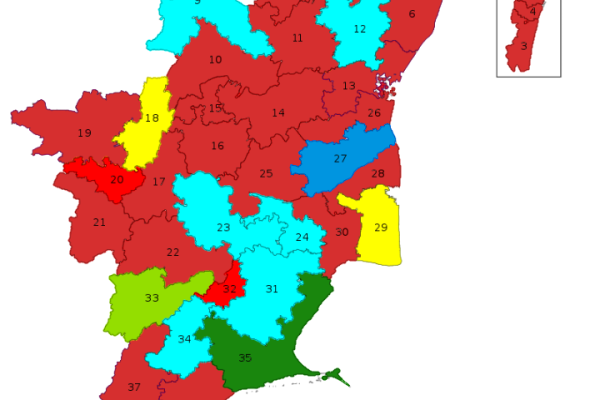
The BJP has been trying to make inroads in the state, but has so far been unsuccessful. The INC has a significant presence in the state, but has been unable to regain power since 2011. The election process in Tamil Nadu is complex, with a large number of candidates and parties vying for power. In the 2021 assembly elections, the DMK won 133 seats, while the AIADMK won 66 seats.
The BJP and INC won 4 and 18 seats respectively. The elections were marked by a high voter turnout, with over 73% of eligible voters casting their ballots. One of the major issues facing Tamil Nadu is corruption. The state has a long history of corruption, with several high-profile scams and scandals having taken place in recent years.
The DMK has promised to tackle corruption, but has so far been unsuccessful. Environmental degradation is another major issue facing the state. Tamil Nadu is home to several major industrial centers, including the city of Chennai, which is one of the most polluted cities in the country. The DMK has implemented several policies aimed at reducing pollution, including a scheme to promote the use of electric vehicles.
Despite these efforts, the state still has a long way to go in terms of addressing environmental concerns. In conclusion, the politics of Tamil Nadu are complex and multifaceted. The state has a unique history and culture, and its politics are shaped by a variety of factors, including caste, language, and economic development. While the DMK has made some progress in addressing the state’s problems, there is still much work to be done.
As the state looks to the future, it will be important for politicians and citizens to work together to address the major issues facing Tamil Nadu. With a population of over 72 million people, the state has the potential to be a major player in Indian politics. However, it will require strong leadership and a commitment to good governance to realize this potential.
The state’s GDP is over 13 lakh crore, with a growth rate of 7.5%. The per capita income of the state is over 1.5 lakh, which is higher than the national average. The literacy rate of the state is over 80%, which is one of the highest in the country. The state has a diverse economy, with major industries including textiles, leather, and automotive.
The state is also a major tourist destination, with several popular attractions including the city of Madurai and the hill station of Ooty. The state has a long history of cultural and artistic achievement, with several major festivals and events taking place throughout the year. The state is home to several major universities and research institutions, including the Indian Institute of Technology Madras and the Anna University. The state has a highly developed transportation network, with several major airports, seaports, and railways.
The state is also home to several major hospitals and medical research institutions, including the Apollo Hospital and the Christian Medical College. Overall, Tamil Nadu is a state with a rich history, culture, and economy. While it faces several challenges, including corruption and environmental degradation, it has the potential to be a major player in Indian politics and a hub for economic growth and development.
Facts and figures show that the state is on the right track, with a growing economy and a high standard of living. As the state looks to the future, it will be important for politicians and citizens to work together to address the major issues facing Tamil Nadu and to realize its full potential. With the right leadership and policies, the state can become a model for good governance and economic development in India. Key statistics: Population: 72 million, GDP: 13 lakh crore, Growth rate: 7.5%, Per capita income: 1.5 lakh, Literacy rate: 80%.
The future of Tamil Nadu looks bright, with a growing economy and a high standard of living. However, the state must address its major challenges, including corruption and environmental degradation, in order to realize its full potential. With the right leadership and policies, the state can become a model for good governance and economic development in India.
As the state moves forward, it will be important to prioritize the needs of its citizens, including access to education, healthcare, and economic opportunities. By working together, the people of Tamil Nadu can build a brighter future for themselves and for generations to come. Regional politics in India is complex and multifaceted, and Tamil Nadu is no exception.
The state has a unique history and culture, and its politics are shaped by a variety of factors, including caste, language, and economic development. While the DMK has made some progress in addressing the state’s problems, there is still much work to be done. As the state looks to the future, it will be crucial for politicians and citizens to work together to address the major issues facing Tamil Nadu and to realize its full potential. The state’s diverse economy, highly developed transportation network, and rich cultural heritage make it an attractive destination for investment and tourism.
With the right leadership and policies, the state can become a hub for economic growth and development in India. Regional politics in India is an important aspect of the country’s overall political landscape, and Tamil Nadu is a key player in this landscape. The state’s unique history and culture, as well as its complex and multifaceted politics, make it an important case study for anyone interested in Indian politics.
As the state moves forward, it will be important to prioritize the needs of its citizens and to work towards creating a brighter future for all. With its growing economy, high standard of living, and rich cultural heritage, Tamil Nadu has the potential to be a model for good governance and economic development in India.




Leave a Reply